- ConsensusKAWPOW · PoW
- Block time60 s
- Max supply21B XNA
- AssetsLayer 1
- LaunchedApril 2023
Get a wallet
Neurai Wallet for Android and iOS, the Web Wallet for any browser, Neurai-QT with a full node or Electrum on desktop.
Compare walletsTryPlay on the testnet
Free coins from the faucet, assets, DePIN chat and post-quantum addresses in the testnet Web Wallet.
Open the testnet walletBuildDevelop on Neurai
JavaScript SDK on npm, C++ libraries for ESP32, public RPC endpoints and worked examples.
See the librariesA proof-of-work chain built for real devices
Proven Bitcoin-lineage code, native assets on layer 1 and a toolset designed so IoT hardware can join the network on its own.
Proven base layer
- Bitcoin-lineage code, on mainnet since 2023.
- KAWPOW proof of work on consumer GPUs.
- ASIC resistant, so mining stays distributed.
- Native assets on layer 1, no contracts needed.
Built for devices
- Libraries for ESP32-class microcontrollers.
- Keys, signatures and encryption on the chip.
- Device identity as unique or DePIN assets.
- Private, token-gated DePIN messaging.
For Smart Contracts
- Advanced Covenants.
- Transaction introspection.
- Native asset awareness.
- OP_CAT for advanced scripting.
Post-quantum addresses
- Post-quantum signatures with ML-DSA-44.
- AuthScript: native witness v1 with PQ auth type.
- Compatible with classical and quantum-safe signature schemes.
- Quantum-safe covenants and smart contracts.
Privacy pool
- Private XNA notes held by an on-chain contract.
- Groth16 zero-knowledge proofs checked in Script.
- Owners and amounts hidden inside the pool.
- Proofs built in the browser. Testnet only.
For developers
- Open-source node, wallets and libraries.
- JavaScript SDK on npm, C++ for microcontrollers.
- Public RPC, Blockbook and ElectrumX endpoints.
- Documentation with worked examples.





Real world and blockchain
Neurai combines blockchain technology with IoT infrastructure to create a complete ecosystem for autonomous devices. Through decentralized identity, the DePIN messaging system, the BGrid geolocation system, and asset tokenization, IoT devices can operate independently, securely verify their location, and participate in decentralized networks without human intervention.
Neurai Blockchain
The ledger that connects devices, data and value.
IoT + AI
Devices on the network, with a language model reachable over DePIN.
DePIN + BGrid
Device groups bound to a location expressed in BGrid words.
NeuraID
Hierarchical on-chain identities for devices.
RWA + Assets
Physical things and rights as native assets, tracked for life.
DePIN Private Network
Encrypted messaging between holders of the same token.
Exclusive developments
BGrid and DePIN messaging are protocols created by Neurai developers.
BGrid
BGrid is a hierarchical coordinate system that divides the Earth's surface into zones with variable precision, from 249,000 km² to 29 m². Using BIP39 words, coordinates become easy to communicate and remember.
BGrid is one of our team's creations for use in this and other projects, as it is free to use.
- Precise Geolocation Four hierarchical levels allow IoT devices to reference locations from regions to specific buildings (29 m² precision).
- Privacy by Design Share location with adjustable accuracy - perfect for IoT devices that need to balance precision with privacy.
- Easy Communication Coordinates can be expressed as memorable BIP39 words instead of complex numbers, ideal for verbal transmission.
- Blockchain Integration Compatible with cryptographic standards for decentralized location proofs and asset verification.
 Explore BGrid Maps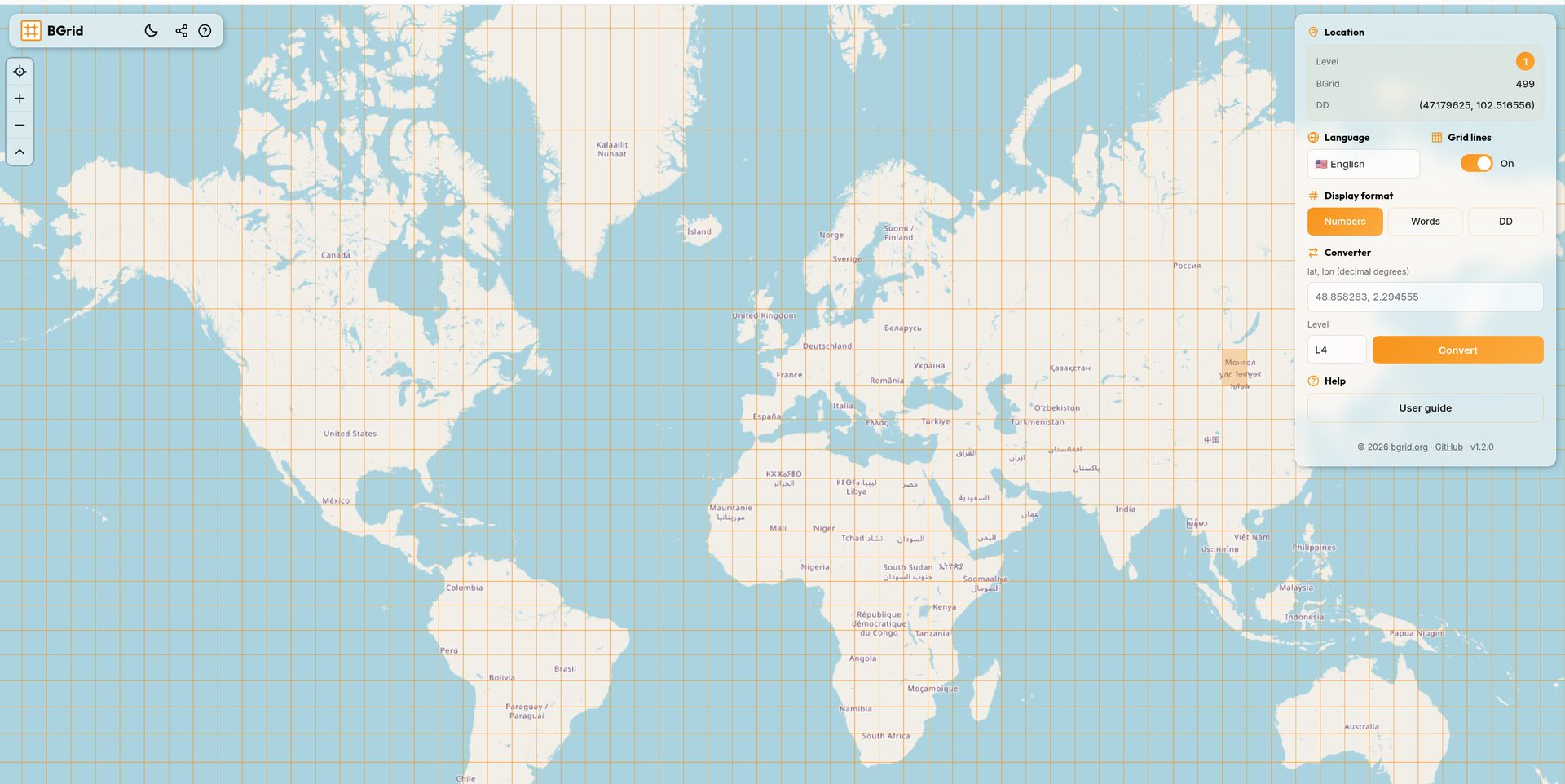
DePIN Messaging
Private messaging for IoT devices. Access is granted by holding DePIN tokens, membership lives on-chain and every message stays encrypted off-chain.
- Membership
- On-chain, via DePIN tokens
- Messages
- Encrypted off-chain
- Keys & signing
- Handled locally by your client
- Expiry
- 7 days by default, configurable
AES-256-GCM Encryption
Authenticated encryption protects message content and detects tampering with the encrypted payload.
ECDH Key Exchange
ECIES uses secp256k1 ECDH and a fresh ephemeral key pair per message to encrypt the content key for each recipient.
Token-Based Access
Active holdings of DePIN tokens (&TOKEN) grant access to their group and subsections within the pool. Frozen or self-revoked holdings do not grant access.
Client-Side Encryption
Encrypt, decrypt and sign locally with your Neurai wallet keys. Private keys stay with the client when using a remote messaging node.
Authenticated Access
Single-use signed challenges prove control of your address. Pool signatures let clients verify the source and integrity of service replies.
Group Encryption
Encrypt content once for multiple recipients using their public keys revealed on chain. Each recipient decrypts with their own private key.
Your network, your rules
Token owners decide who can join and whether holders may pass their tokens on. Three modes cover every case.
- ClosedOnly the owner can transfer tokens.
- OpenHolders can transfer their tokens freely.
- SealedOwner-only transfers, locked permanently.
All in One
A sensor, a machine, a licence, a share: give it an address, an asset and a channel, and it becomes something the network can verify, move and talk to. All of it runs on one layer-1 chain, secured by proof of work since 2023, with no contract to deploy and no bridge to trust.
Assets are native to the chain. Issuing one burns XNA, so names are earned rather than squatted, and every token carries its own history. Device identity, private messaging and, with POSITRONIC, covenants and post-quantum keys are built on that same foundation.